0086-18057388688


A Comprehensive Exploration of Material, Performance, and Applications
Linen Blend Fleece is an increasingly popular textile that combines the natural properties of linen with the soft, insulating qualities of fleece. This hybrid material has been embraced by designers, outdoor enthusiasts, and sustainable fashion advocates alike due to its unique balance of comfort, performance, and environmental viability.
1. What is Linen Blend Fleece?
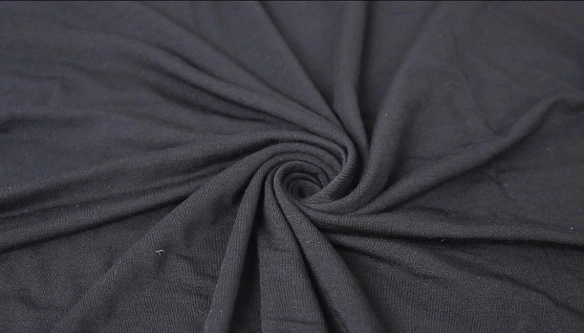
Linen Blend Fleece is a textile fabric created by blending linen fibers with synthetic or natural fleece fibers. Traditional fleece is typically made from polyester, a synthetic polymer derived from petroleum, whereas linen is a natural fiber harvested from the flax plant (Linum usitatissimum). When combined, these fibers produce a distinctive fabric that balances warmth, breathability, durability, and texture in a way that neither component could achieve on its own.
The precise ratio of linen to fleece can vary significantly, depending on the intended performance characteristics of the end product. Common blends range from linen-dominant weaves (such as 60% linen / 40% fleece) to fleece-heavy compositions (such as 30% linen / 70% polyester fleece).
2. Fiber Characteristics
Linen
Linen is one of the oldest textiles known to humankind. Its fibers are extracted from the flax plant and processed through retting, scutching, and combing to produce long, durable strands.
Linen fibers are:
- Strong: Linen is one of the strongest natural fibers, nearly 30% stronger than cotton.
- Breathable: The hollow structure of linen fibers allows for excellent air circulation.
- Moisture-wicking: Linen can absorb significant moisture without feeling damp, transporting it away from the skin.
- Thermoregulating: It keeps the wearer cool in warm weather and can retain warmth in cooler conditions.
Fleece
Fleece is a soft pile fabric commonly made from polyester.
Its properties include:
- Insulating: The piled structure traps air, providing excellent thermal insulation.
- Lightweight: Despite its warmth, fleece is lightweight and comfortable.
- Hydrophobic: Polyester fibers dry quickly and resist water to some extent.
- Durable: Polyester is resistant to abrasion, stretching and shrinking.
When linen’s natural properties are fused with fleece’s engineered advantages, the resulting textile becomes well-suited for diverse conditions.
3. Manufacturing Processes
The production of Linen Blend Fleece involves several key steps:
Fiber Selection and Preparation
High-quality flax fibers are chosen and blended with fleece yarns. The fleece may be made from recycled polyester (rPET) or virgin fibers depending on the sustainability goals of the manufacturer.
Spinning
The fibers are spun together to create a yarn that incorporates both linen and fleece characteristics. This requires specialized spinning machinery that can align fibers of different lengths and properties.
Knitting or Weaving
Linen Blend Fleece is usually knitted, rather than woven, to accentuate stretch, softness, and loft.
Common knitting structures include:
- Circular knit: Provides even stretch and comfort.
- Warp knit: Offers more structural stability.
- Brushed fleece knit: After knitting, the fabric is mechanically brushed to raise the fleece fibers and enhance softness and insulation.
Finishing
Finishing processes may include:
- Heat-setting: Stabilizes the fibers and improves dimensional stability.
- Dyeing: Linen accepts dyes differently than polyester, requiring careful selection of dye types and processes.
- Coating or lamination: Optional water-resistant coatings may be applied for outdoor use.
4. Technical Properties and Performance
Thermal Performance
Linen Blend Fleece offers a balance of breathability and insulation. The air-trapping fleece layer provides warmth, while linen helps regulate heat, preventing overheating—a key advantage over pure synthetic fleeces.
Moisture Management
Linen’s high moisture absorbency (up to 20% of its own weight) combined with the quick-drying nature of polyester results in a fabric that draws sweat away from the skin and evaporates it rapidly. This synergistic moisture management makes it ideal for activewear.
Comfort and Handfeel
The fabric typically feels softer against the skin compared to pure linen, which can be coarse. The brushed fleece interior contributes to plushness, while the linen exterior adds texture and structure.
Durability
The tensile strength of linen, coupled with polyester’s resistance to abrasion and deformation, yields a durable fabric that can withstand repeated wear and laundering.
Environmental and Health Attributes
Linen is naturally hypoallergenic and antimicrobial. When blended with eco-friendly fleece alternatives like recycled polyester, the resulting textile supports more sustainable apparel manufacturing.
5. Applications of Linen Blend Fleece
Apparel
- Activewear: Sweaters, quarter-zips, hoodies, joggers.
- Lifestyle wear: Casual pullovers, lounge sets.
- Layering pieces: Mid-layers for outdoor activities.
Outdoor Gear
- Adventure clothing: Lightweight insulating layers.
- Travel wear: Breathable and easy-to-pack pieces.
Home Textiles
- Throws and blankets: Combining warmth with natural texture.
- Cushion covers: Soft yet durable.
Specialized Uses
- Eco-fashion collections: Leveraging natural fibers with performance benefits.
- Children’s wear: Comfort and breathability for sensitive skin.
6. Comparing Linen Blend Fleece with Other Fabrics
| Fabric Type | Warmth | Breathability | Moisture Wicking | Durability | Eco-friendliness |
| Linen Blend Fleece | Medium-High | High | High | High | Moderate-High |
| Cotton Fleece | Medium | Medium | Medium | Medium | Medium |
| Polyester Fleece | High | Low-Medium | Low | High | Low |
| Pure Linen | Low-Medium | Very High | Very High | Very High | High |
Compared to traditional polyester fleece, Linen Blend Fleece provides better breathability and moisture comfort, though it may not be as warm in extremely cold conditions. Against pure linen, it adds softness and thermal loft.
7. Care and Maintenance
Proper care extends the life and performance of Linen Blend Fleece:
Washing
- Machine wash cold on gentle cycle.
- Use mild detergents; avoid harsh bleaches.
- Turn garments inside out to protect outer fibers.
Drying
- Air dry is preferred to maintain loft and shape.
- Tumble dry low if necessary.
Ironing and Storage
- Linen can wrinkle; steam ironing on low heat works best.
- Store folded in a dry area; avoid compression for long periods.
8. Sustainability Considerations
Linen holds a strong sustainability profile due to flax’s low water and pesticide requirements, biodegradability, and renewable nature. Pairing linen with recycled polyester (rPET) enhances eco-credentials by reducing reliance on virgin synthetic fibers. However, recycling blended fabrics can be more challenging at end of life due to mixed fiber content. Innovations in fiber separation and recycling technologies are emerging to address this challenge.
9. Future Trends and Innovations
The future of Linen Blend Fleece is intertwined with advancements in textile engineering and sustainability.
Innovations include:
- Bio-based polyesters: Developing non-petroleum-based polyester to blend with linen.
- Fiber recycling technologies: Improving separation and reuse of blended materials.
- Smart textiles: Incorporating performance coatings or conductive fibers.
Linen Blend Fleece stands as a compelling choice in contemporary textiles, offering a nuanced balance of warmth, comfort, performance, and environmental considerations. Whether for everyday wear, active lifestyles, or sustainable fashion, this hybrid material continues to grow in relevance and innovation. As textile science progresses, Linen Blend Fleece is poised to become an even more versatile and respected fabric among designers and consumers alike.
- Previous:No Information
- Next:The Perfect Fabric for Comfort and Style